A Prima Llum

A Fishermen’s Tale

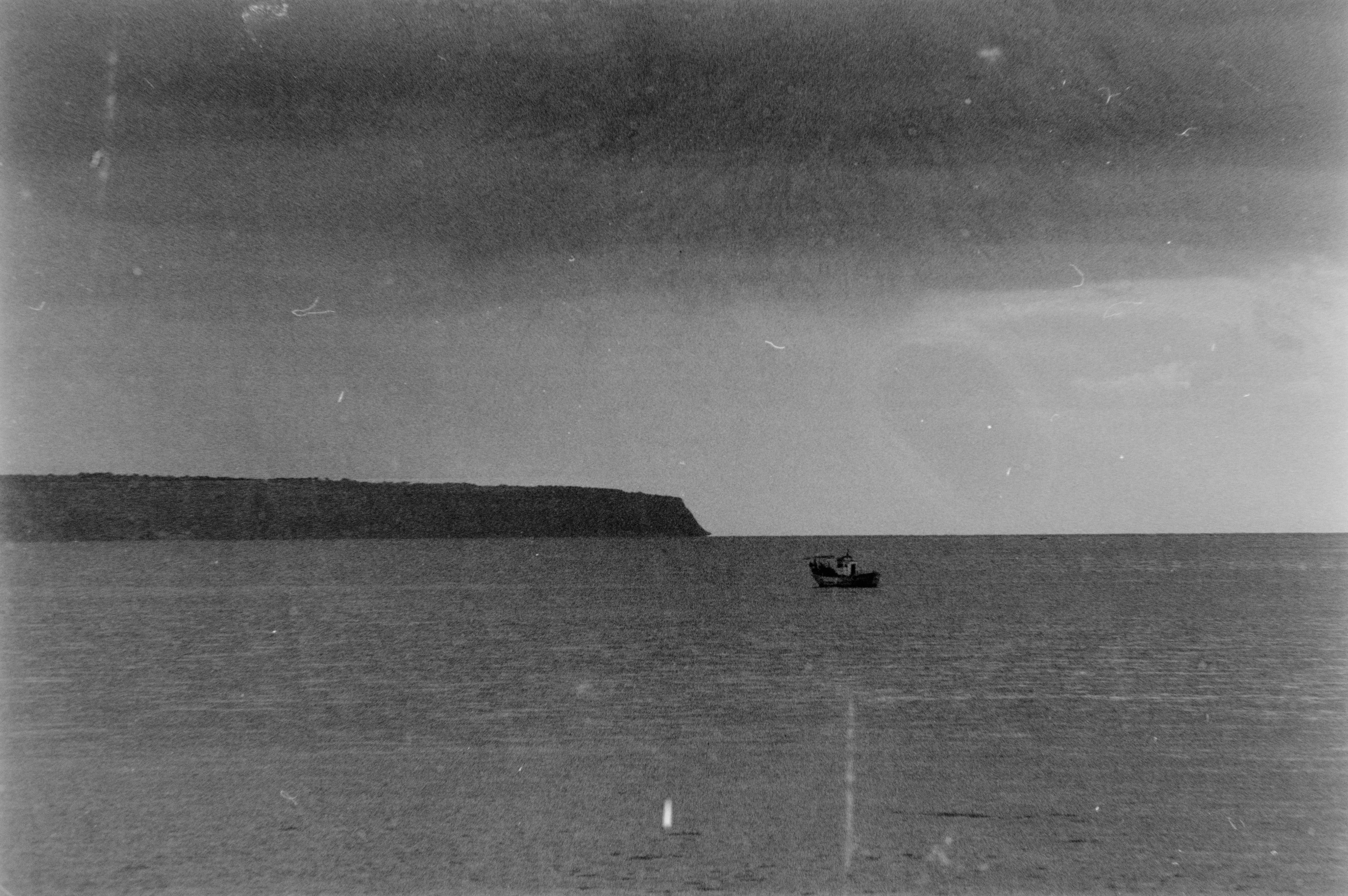
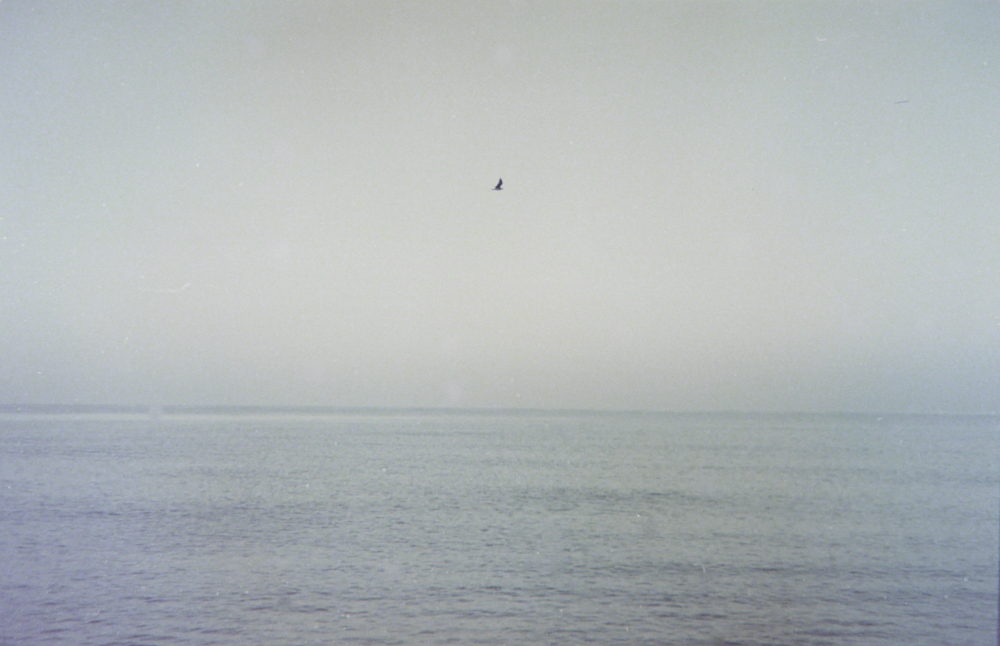
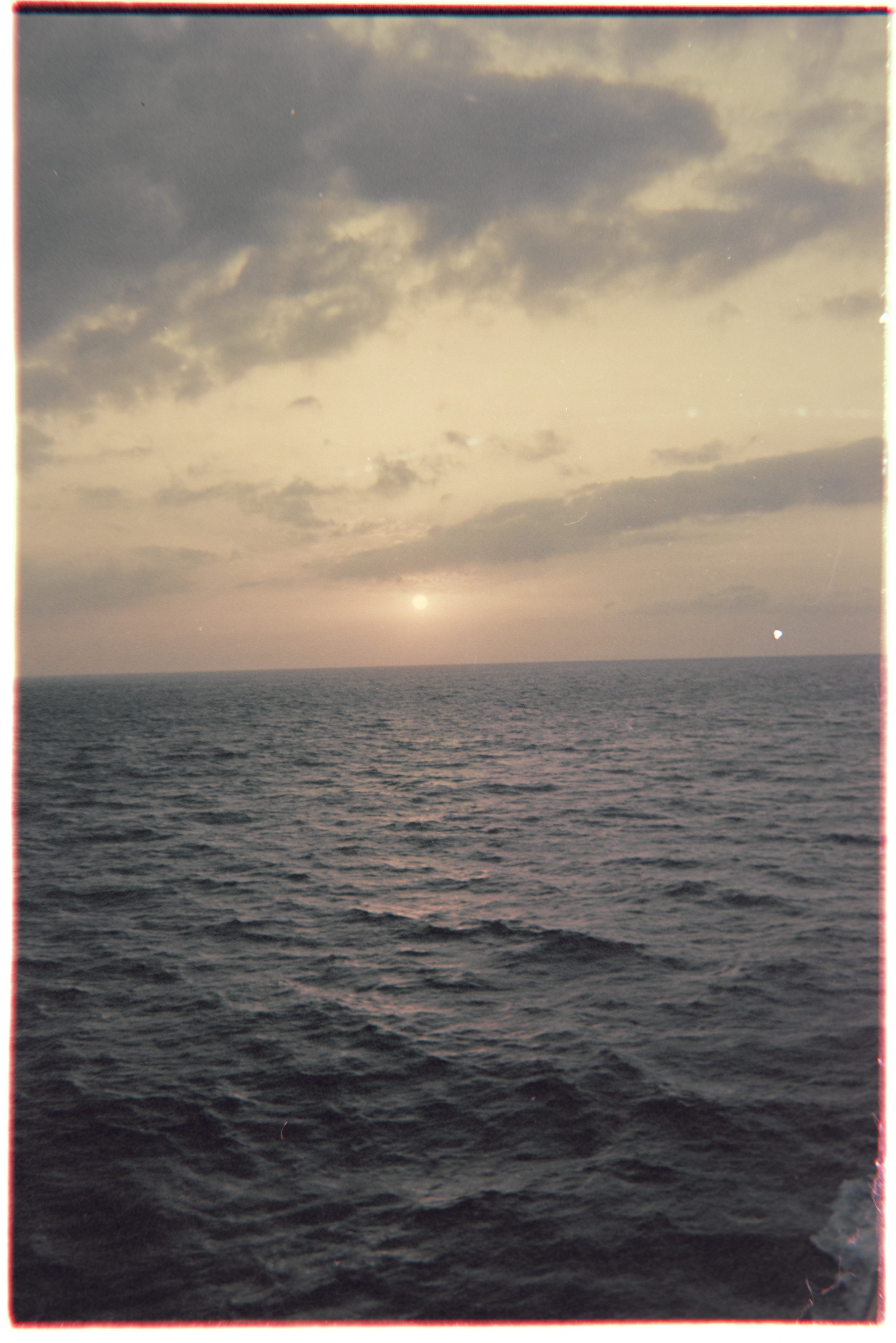
A tale of fishermen and of an ancient, secret love that draws an entire community out each morning to wait for the sun in the middle of the sea. The blue hour so cherished by photographers: a prima llum.

After twenty years of telling human stories through more than 15,000 images published in magazines and newspapers around the world, I find myself facing one of those stories that asks to be approached from the side. It calls for a shift in focus, one capable of sensing the silent rites and invisible gestures passed down from fathers to sons through the body and repetition; those sideways glances toward the flat, silent marine horizon, which seem to be looking at nothing and yet are reading everything.

Within that gesture lie the codes of a love story that does not surrender itself to the visitor’s gaze.

Life at sea is hard, dangerous and poorly paid, but I would not trade it for anything.

What does the fisherman see when he looks at the same sea we all look at?

This question adds another layer of complexity to perception, one a documentary photographer is used to dealing with. Looking is only the beginning: what matters is the place from which one looks.

This practice helps me understand the mechanisms of vision in order to approach the fisherman’s gaze. First, the camera must be temporarily set aside and the body used as a tool of perception. With the photographic craft already embedded in bodily memory, the project asks me to take up the tools of small-scale fishing and board a llaüt as a fisherman-deckhand, seeking the physical, temporal and emotional conditions that might allow me to look through those eyes.

During this preliminary period of learning and access to the trade, I have entered Balearic fishing through its official channels: basic maritime safety training, professional courses as a fisherman and deckhand, while a network of support has naturally begun to form with key figures in Mallorca’s fishing culture — the Local Fisheries Action Group, the Balearic Federation of Fishermen’s Guilds and the communities of the trade.

This path has also led me to take part in the restoration work of Es Gorretes, a historic fishing llaüt, today recognised as an Asset of Cultural Interest, with which I will soon be able to go out fishing.

The sea gives

and the sea takes

This well-known saying among fishermen opens the map: a relationship with the world made of gratitude, danger, respect and belonging.

From this awareness, the project looks for photographic tools capable of boarding the boat without imposing themselves on the work. The technical choice responds to that ethic: a classic, light, discreet and robust setup, able to accompany life on board without interrupting it.

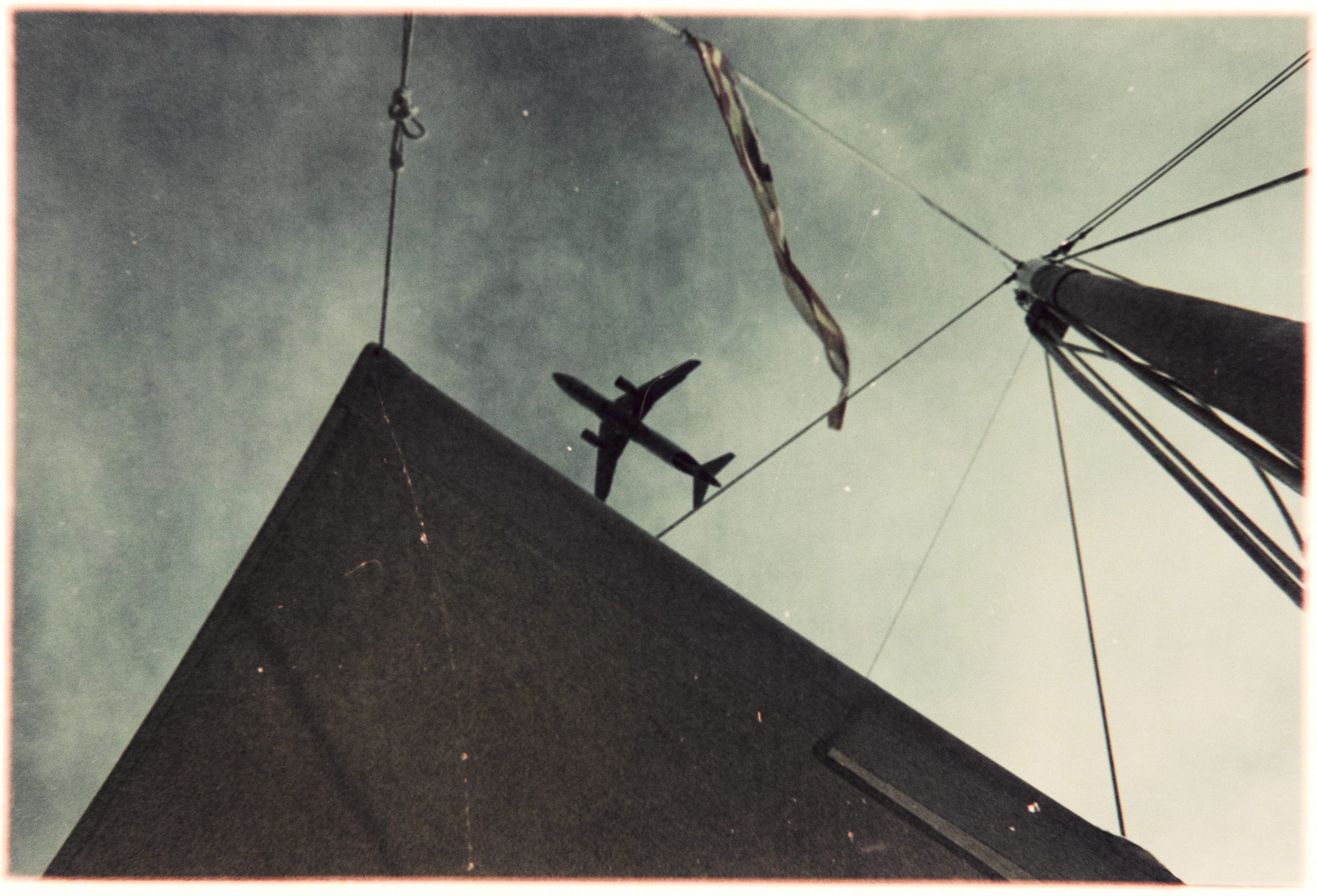
The Leica M6, with a 35 mm lens, becomes a tool of presence. Its manual and silent mechanics allow the camera to enter into dialogue with the fishing gear through the same artisanal logic: precision, waiting, economy of gesture and trust in the body.

Kodak Vision3 film introduces a second layer of meaning. Highly valued in the film industry — from Tarantino to Spielberg — it was conceived to move at 25 frames per second. Here, it is displaced from industrial time into a more human pulse: frame by frame. Each image leaves behind the continuous flow of the industry and enters a form of breathing closer to the gesture the project seeks: an action, a pause, a wait, accompanying my own transformation.

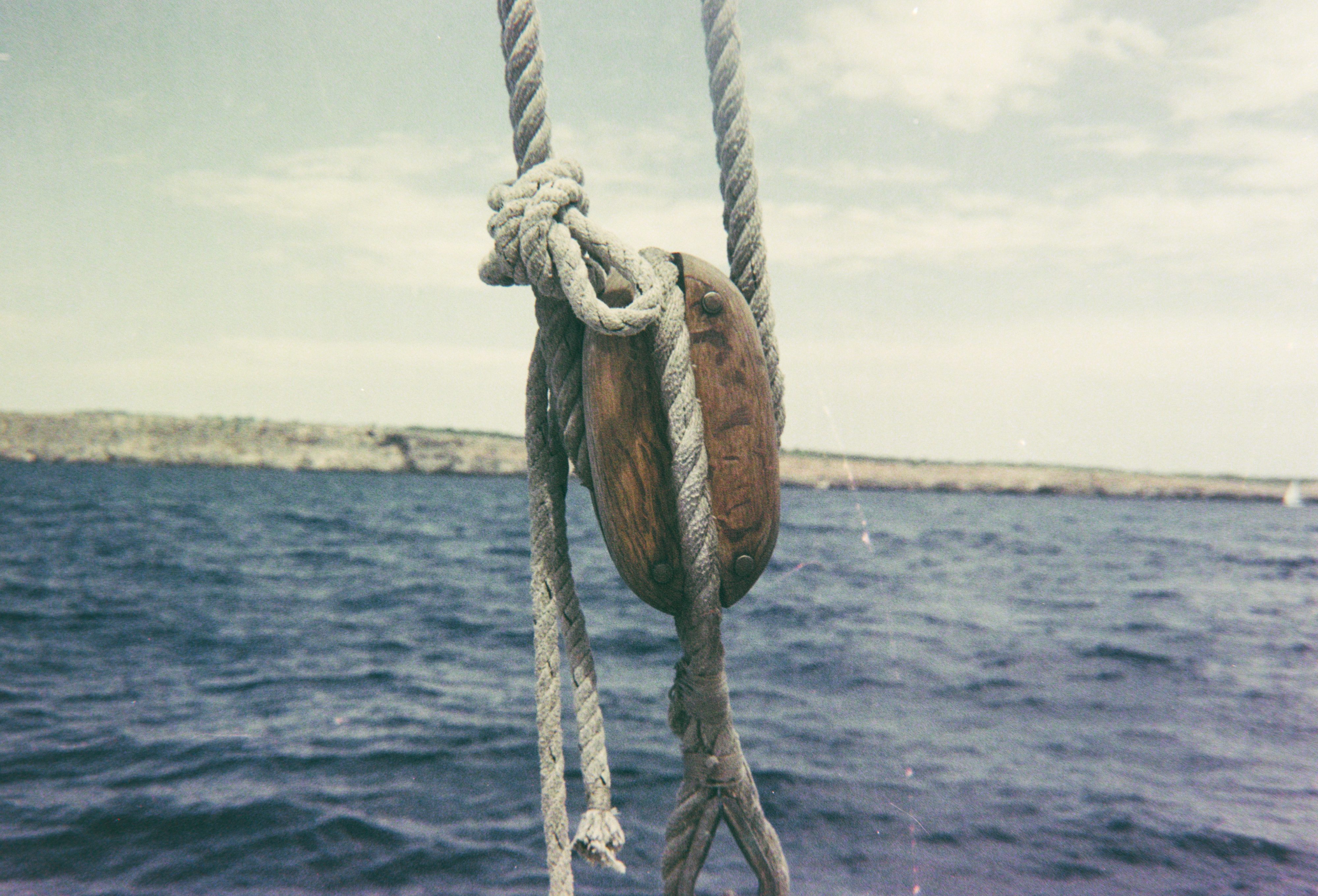
To complete this encounter between photography and fishing, the rolls of film are developed manually in solutions prepared with seawater from each location. This bath functions as a material baptism: the silver salts of the emulsion meet the mineral salts of the Balearic sea, physically incorporating the territory into the photographic process.

From this encounter emerges a chromatic palette that is specific, unrepeatable and situated. Colour ceases to be an external aesthetic decision and becomes a trace of place: matter, salt, light, temperature and time inscribed in the image. A Prima Llum thus builds a visual code in which the landscape participates in the formation of the work, making each negative contain something of the sea it has portrayed.

Rather than filling a gallery with portraits of fishermen, the project seeks to open a door into the sea they know: a sea far from the selfie, from tourist consumption and from the complacent use of landscape; a living, demanding and ancient sea, with which a conversation is established each morning through a careful reading of its signs, negotiating with light, wind, currents and depth.

This project approaches that sensitive ecosystem: the landscape that has captivated generations of rugged men, the sea that gives and takes, the sea that speaks in a language learned through the body, contemplation and craft.
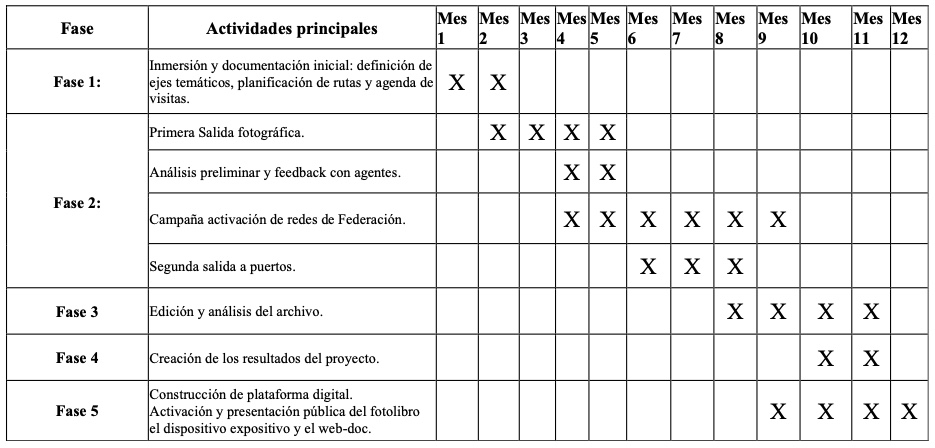
Cronograma (12 monhs)

The Sea Learned

A Prima Llum is a photographic research project in an advanced conceptual phase, focused on Balearic artisanal fishing and its relationship with the marine landscape. The project begins with a simple question: what does the fisherman see when he looks at the same sea we all look at?

The proposal is built before the image. Its first material is learning: approaching the trade, entering its rhythms, understanding the weight of the gear, listening to the boat, reading the horizon through the body. The camera appears after that perceptual transformation.

The sea is understood here as physical experience and living memory. Light, salt, wind, waiting, fatigue and orientation form part of the landscape as much as water or horizon. The llaüts, the fishermen’s guilds, the small-scale fishing methods and the gestures transmitted across generations compose a bodily archive that still sustains a culture of the sea.

Photographic materiality occupies a central place. The use of motion picture film and artisanal development with seawater from each location turns the process into a form of territorial inscription. The landscape intervenes in the image: its salts, temperature and matter affect the negative and generate a situated trace.

In its current state, A Prima Llum sets out a precise promise: to build a body of work capable of moving the sea away from consumed image and toward learned experience. Its strength will depend on remaining close to the trade, accepting the rhythm of the work and allowing the marine landscape to appear through body, matter and time.

Contact:

Oto Marabel

WhatsApp

629964135

e-Mail

info@otografias.com

WEB

www.otografias.com

Participation

A Prima Llum is currently in an advanced conceptual phase, with prior research, maritime training completed, a defined technical methodology and an initial network of contacts linked to the Balearic fishing sector.

Production is conceived in phases: preparation and activation of ports, sea outings, photographic work on board, artisanal development, visual editing, print tests and the development of a first exhibition proposal.

The project has a production estimate that makes it possible to clearly assess the scope of the fieldwork, the laboratory process, the final edit, the print tests and a possible exhibition presentation.

The participation of a gallery or cultural agent may take several forms: curatorial support, co-production of a specific phase, pre-sale of works, a limited edition linked to the process, presentation during the development of the project or the joint construction of a final exhibition.

The final definition of formats, editions, number of pieces, calendar, prices and level of participation remains open to dialogue with each space, seeking a collaboration coherent with the identity of the gallery and with the real evolution of the project